Advocacy is one of the most exciting parts of the agave spirits industry because everyone has their own unique path into the space. For as Ron Cooper of Del Maguey once said, “you don’t find mezcal, mezcal finds you.”
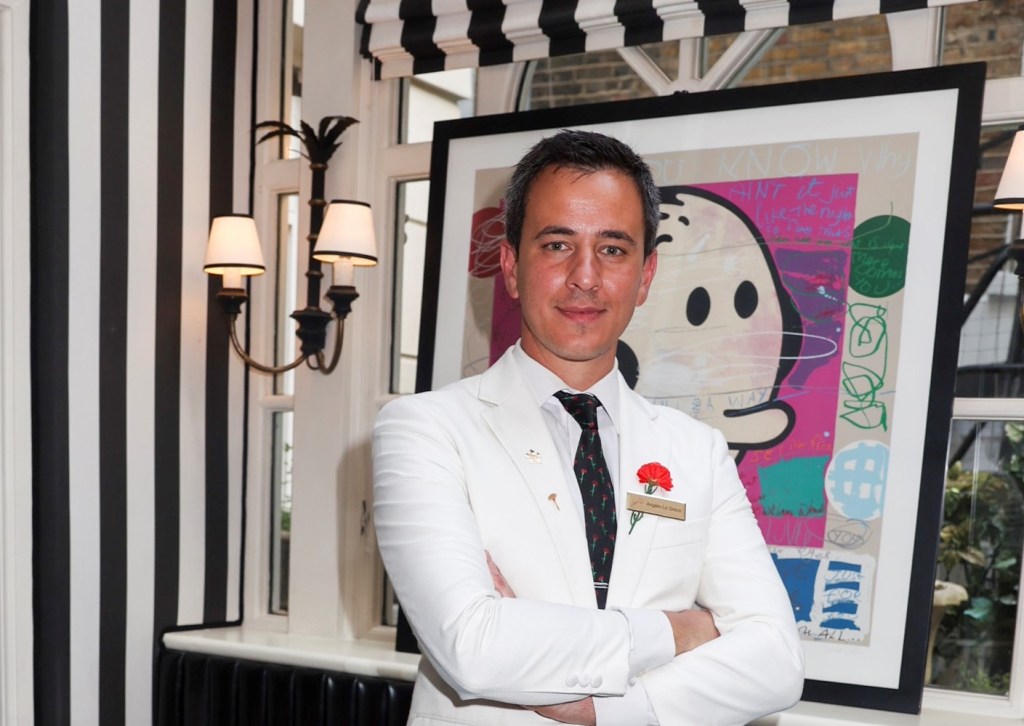
Angelo Lo Greco certainly let mezcal find him. A UK based advocate, Lo Greco is passionate agave spirits educator and storyteller through his platform Inside Agave.
In this interview with The Agaveist, he talks about how he got into the space, the state of agave growing outside of Mexico and his own journey in adding to the deep legacy of mezcal.
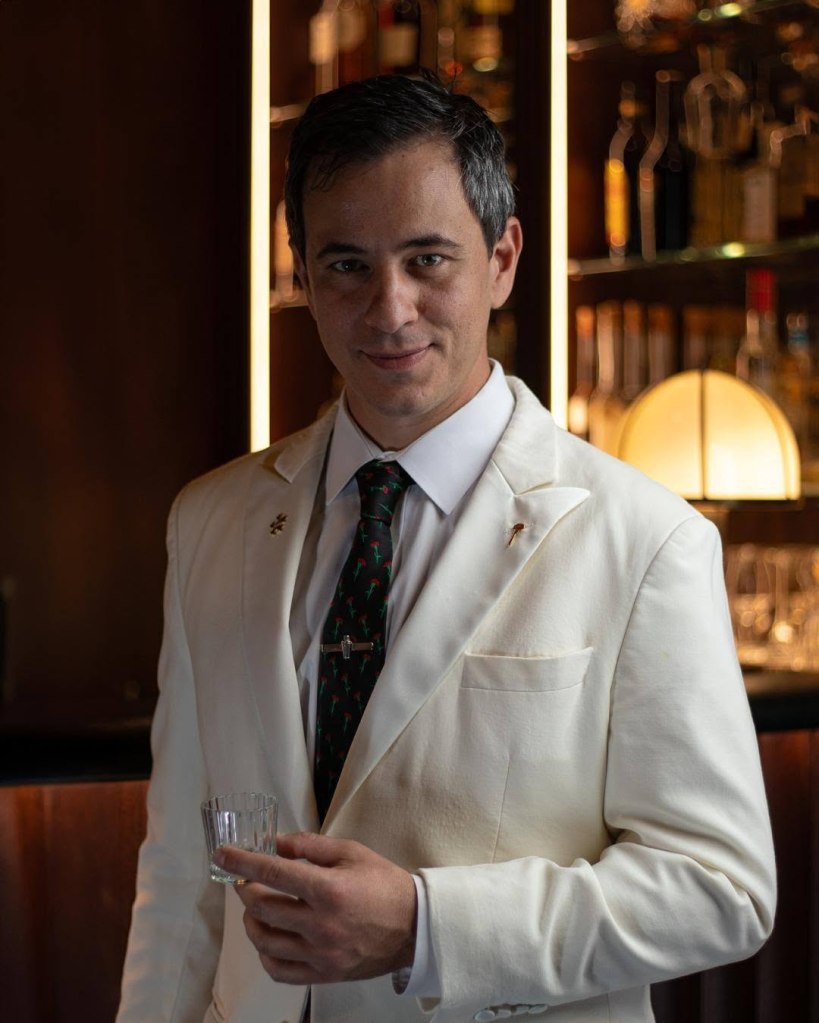
Photo credit: Angelo Lo Greco.
How did you get into hospitality, and how did that lead you to agave spirits?
While studying in Rome, I fell in love with bartending. When I visited great cocktail bars, what I saw felt like magic. The way bartenders moved, handled their tools, and presented drinks captivated me. I realised I enjoyed the experience before I had even tasted the cocktail. At that point I thought, “I want to become like you.”
After completing a degree in literature, I moved to London because it was one of the best places in Europe to develop my knowledge of hospitality, cocktails, and leadership. Following a short period with Hilton, I joined The Milestone Hotel and spent almost a decade there. What we tried to create for guests was the same sense of magic that first inspired me through conversation, storytelling, house-made preparations and genuine hospitality.
My connection with agave came later. Agave grows wild throughout Sicily, and I often wondered why we did so little with it while Mexico had developed such a rich tradition around the plant. What fascinates me most about mezcal and agave spirits is their ability to express place. Their flavours communicate the land they come from. That is one reason many of us appreciate younger expressions: we want to taste the terroir and the landscape rather than the influence of wood ageing.
There’s a growing trend of agaves being grown outside of Mexico and spirits being made from them that can’t be called mezcal.
What are your thoughts on this trend and what is going on with agaves being grown in Italy?
There are now several agave spirits being produced in Italy, including projects in Sardinia and Sicily. One Sicilian example is Agalia, which incorporates local citrus and reflects the identity of the island through flavours associated with Sicily’s oranges, lemons, and mandarins.
Part of this development is linked to climate change. Agave thrives in warmer conditions, so people are trying to transform a challenge into an opportunity. I have also started my own cultivation project in Sicily. I currently have around 1500 agave sisalana, a variety that was historically grown in Sicily for fibre production, and I have recently planted agave salmiana from seed. The plants are currently growing on a small plot of land in my garden before being moved to a larger site. The sisalana is expected to mature in roughly six years.
For me, producing agave spirits outside Mexico should be a celebration of Mexico rather than an attempt to imitate it. If we want to be respectful of the cultures that have worked with agave for centuries, we should use agave that grows in our own regions rather than importing plants from Mexico. We already have the land, climate, and agave. Why not explore what our own terroir can produce?
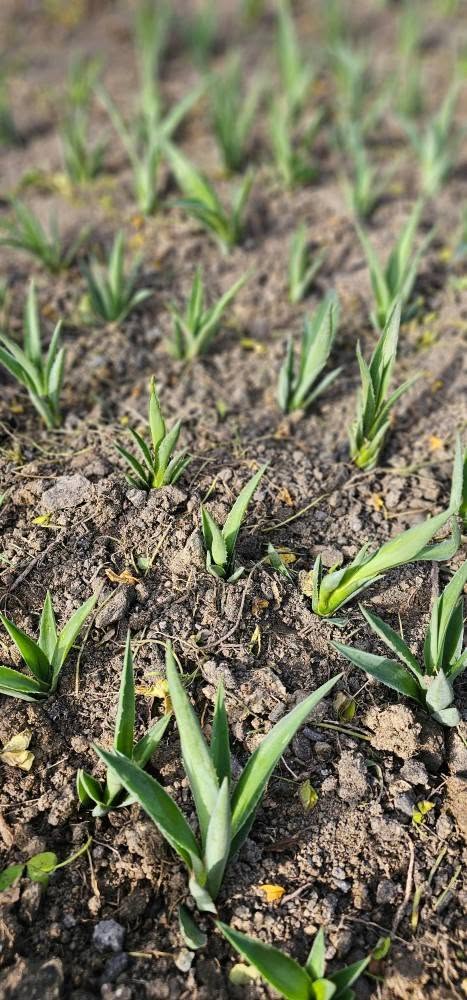
Photo credit: Angelo Lo Greco. Agaves planted by Lo Greco.
Why do you think tequila and mezcal are becoming more popular?
Consumers and bartenders are always interested in discovering new flavours. For many years agave spirits were not widely known, but as interest has increased, bartenders have become ambassadors for the category. They help people understand that there is an entire world beyond gin, whisky, and rum.
What I personally appreciate about agave spirits is that they do not try to please everyone. Like people, they have strong personalities. Some drinkers will love them and others may not, but they remain authentic to what they are.
You have an education platform called Inside Agave. What inspired you to develop it?
I created Inside Agave because I found a great deal of misinformation online about mezcal, tequila, and agave. I often knew the correct answer and felt there was value in sharing it. Every post is something I would have loved to find when I was first studying the category and trying to determine which information was accurate.
The project is also a celebration of the people behind agave spirits. I want readers to understand how palenques operate, who works in them, and why these individuals deserve recognition. Many producers have told me they are not interested in becoming extremely wealthy; they simply want their mezcal to be treated with respect. By sharing their stories, I feel I am contributing in a small way to that recognition.
What are your thoughts on mezcal regulations and the denomination of origin debate?
It is a complex issue. On one hand, regulations play an essential role in protecting quality, preserving standards, and safeguarding the category. These protections are important and should not be overlooked.
At the same time, there are aspects of the denomination-of-origin system that deserve discussion. Mezcal covers an extraordinarily large and diverse geographical area with very different climates, landscapes, and production traditions. In some cases, it may make sense to recognise regions and communities more specifically. There are also producers who have made mezcal for generations but have historically found themselves outside the regulatory framework.
My view is not that regulation is bad. Quite the opposite. The work of the Consejo Regulador del Mezcal and the denomination of origin system has brought significant benefits and protections to the category. I simply believe there is room for continued discussion about how traditional producers across Mexico can be represented as fairly and inclusively as possible.
It feels like the UK agave spirits market is maturing. How would you compare it to places like the US?
The United States, particularly states such as Texas and California, have a mature mezcal market. In the UK, interest is growing rapidly, but there are still many consumers who are only beginning to discover the category.
One common misconception is that mezcal is simply a smoky version of tequila, when historically tequila emerged from the broader mezcal tradition. Consumers who are curious often start with more affordable expressions, which is understandable, although they may not always experience the category at its best. When you consider the labour involved in producing mezcal, many advocates would argue that it is not as expensive as it first appears.
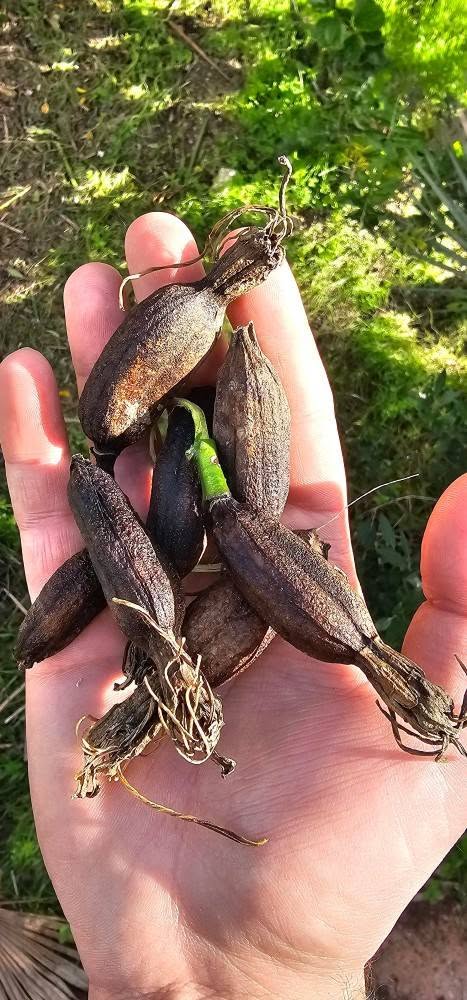
Photo credit: Angelo Lo Greco. Agave seeds Lo Greco has planted.
What are some of your favourite mezcal brands and products to recommend?
Among established brands, I have great respect for Del Maguey. Founder Ron Cooper played a pioneering role in introducing mezcal to international audiences. What I admire is their commitment to presenting mezcal as an artisanal product rather than forcing absolute consistency.
Every batch of mezcal is influenced by factors such as wild fermentation, local conditions, and the decisions of individual producers. These variations are part of what makes mezcal special. When products from multiple batches and producers are blended together solely for consistency, something of that heritage can be lost.
I am also excited by smaller producers such as Cerro de la Serpiente and Tatemado that aren’t currently available in the UK but I hope will change soon.
The producer of Cerro de la Serpiente has been recognised recently for the work he’s doing as a global ambassador for mezcal. Tatemado is a women-owned mezcal brand from Oaxaca that is also making waves. The founder Lupe Guzman also owns her own restaurant too. I remember visiting her on my last trip to Mexico and I got to hear about mezcal traditions while enjoying the drink with Lupe, her husband and daughter. It was a fantastic experience.
Beyond the quality of the liquid, the stories of the people behind these projects are remarkable and deserve greater recognition.
In terms of mezcal advocacy, what excites you about the future?
I’m excited to see how agave spirits develop globally, whether through projects in France, Kenya, Italy, or elsewhere. I’m also interested in seeing greater awareness of lesser-known categories such as sotol and cocuy. These spirits have rich histories and deserve more attention from drinkers and professionals alike.
Ultimately, I hope to see a future in which education, respect for producers, and curiosity continue to grow alongside the category itself.


Leave a comment